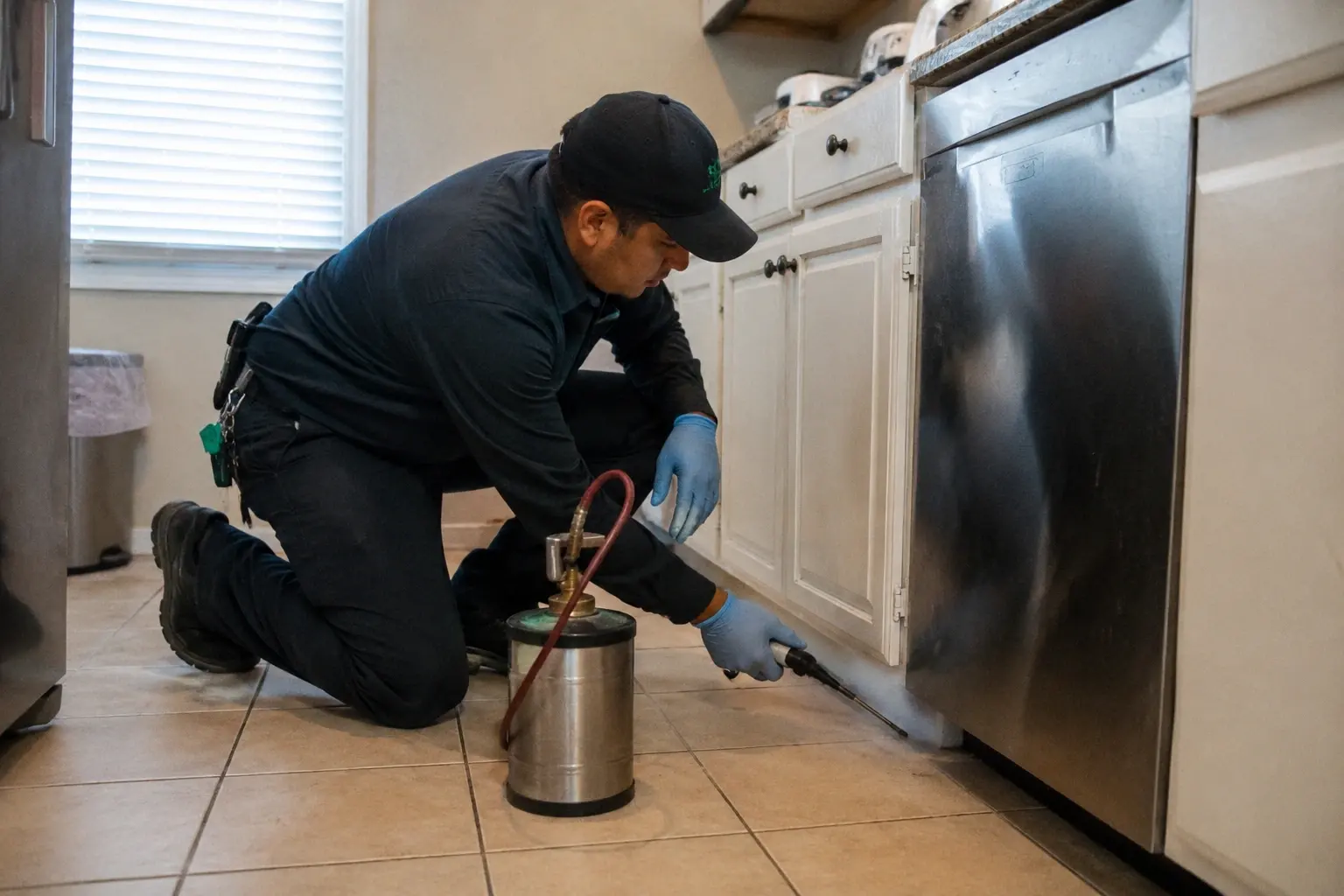
General Pest Control
General pest control in Georgetown covering ants, roaches, spiders and silverfish with interior and exterior treatment
Learn about General Pest Control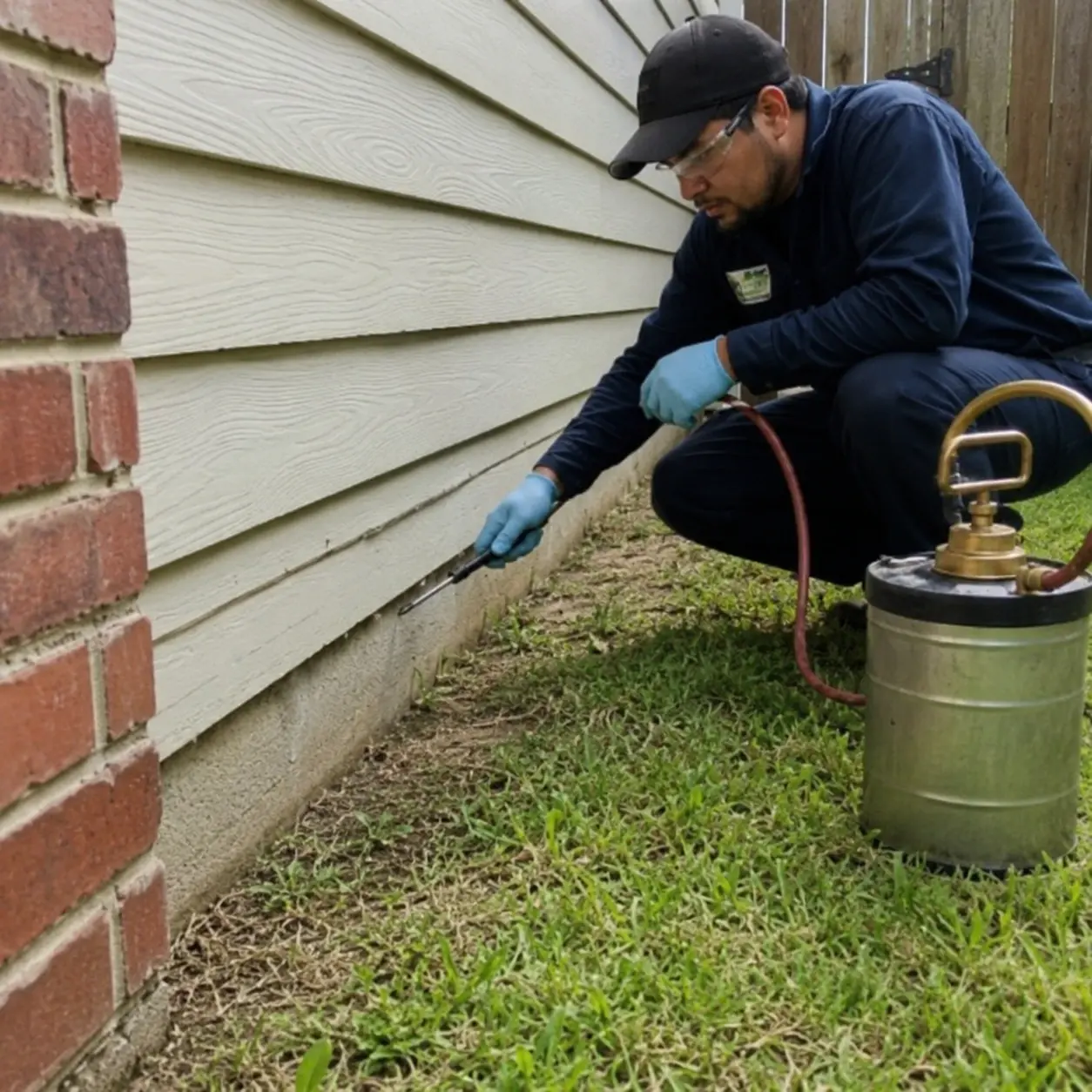
Beyond the scorpions, the two pests that generate the most calls are fire ant mounds after rain and roof rats coming in at the attic line rather than the foundation, especially near mature trees and power drops. Fall brings a heavy field cricket emergence around anything lit at night, from Wolf Ranch Town Center to a porch along Williams Drive. This site connects Georgetown homeowners with the licensed local pros we work with, matched to whichever side of town, and whichever ground, the problem is coming from.
Locally based in Georgetown, TX, we cover homes and businesses across Williamson County.
A job here starts with a call about something specific — a scorpion in a Sun City bathroom, roof rat noise in a Berry Creek attic, fire ant mounds off Williams Drive after rain. The licensed pros we connect you with ask where and when before anything else, because a scorpion problem in a limestone-backed yard near a greenbelt gets looked at differently than mice near the San Gabriel River. Then comes the inspection, walking the actual property in Georgetown rather than guessing from a phone description.
Call (866) 829-2897 or schedule online. We ask a few quick questions about the pest, your property, and how urgent it is, then book the soonest visit that works for you.
A licensed local pro walks the property to confirm exactly what you’re dealing with, where it’s nesting, and how it’s getting in, then explains the plan and the estimated pricing before any work starts.
Treatment goes straight to the source: knock out the active problem, then seal the gaps and entry points that let pests in to begin with, not just a surface spray.
Optional recurring visits keep pests away year-round, with monitoring between visits so a small issue never turns into a repeat infestation.
For roof rats the inspection starts at the roofline — eaves, gable vents, anywhere a limb touches the fascia — since that's how they get in around Teravista and Wolf Ranch. For scorpions it's weep holes and door gaps. The licensed pros we connect you with then write a plan matched to what they found, treat accordingly, and come back if the activity doesn't stop. No firm promises about timing, just what the property actually showed and what it will take.
Someone local picks up, works out how urgent it is, and schedules the soonest available visit, plus a few simple things to do in the meantime.
The pro arrives ready to work, not just to look, with what’s needed to move straight from inspection into treatment.
The source gets located and treated directly with family-safe products, reaching the hidden harborage behind walls and under cabinets a quick spray never touches.
Recurring visits run on your schedule, with monitoring in between to verify pests stay gone, the step that prevents repeat infestations.
Scorpions in a Sun City bathroom at 11 p.m. don't wait for a weekday. Roof rats scratching over Old Town ceilings don't either. If something is actively inside a Georgetown home tonight, the pros we connect you with can often get someone out same day, sometimes after hours. If it can hold until morning, that's the same visit for less money — worth asking when you call.
A scorpion under the bathroom door at 11 p.m. does not wait for a business day, and neither does a roof rat scratching in the soffit above a bedroom in Sun City or Cimarron Hills. The licensed pros we connect you with take same-day and after-hours calls across Georgetown, from Old Town out to Teravista and Wolf Ranch. If it is active tonight, someone can be there tonight, not just booked for next week.
We connect Georgetown homeowners, from Old Town out to Sun City and the newer streets off Ronald Reagan Boulevard, with licensed local pros who already know which side of the highway they're driving to and what that means before they knock on the door. Nobody on this site dispatches a crew or keeps a truck stocked and waiting; we just get the right call made to the right person. Ask about your street, your slab, and what's actually been showing up nearby, and start from there.
General pest control in Georgetown covering ants, roaches, spiders and silverfish with interior and exterior treatment
Learn about General Pest Control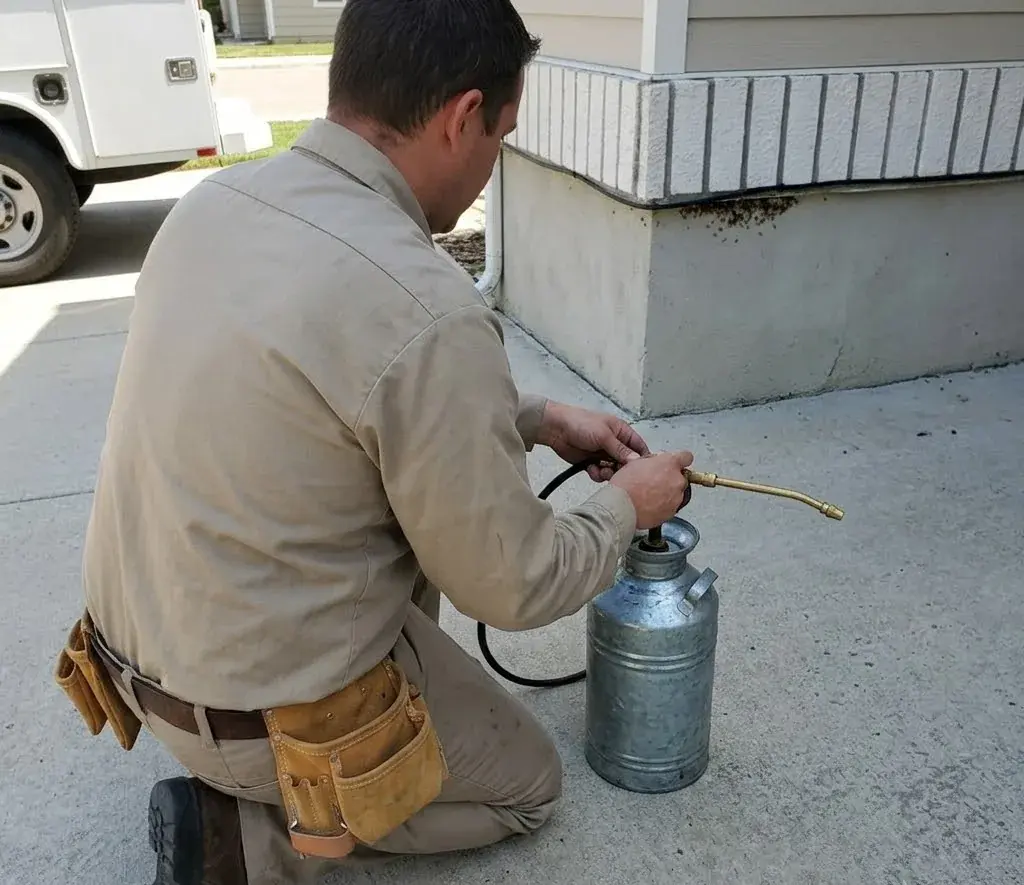
Quarterly pest protection built around Georgetown's seasons, with a perimeter treatment each visit and a free callback between…
Learn about Quarterly Pest Protection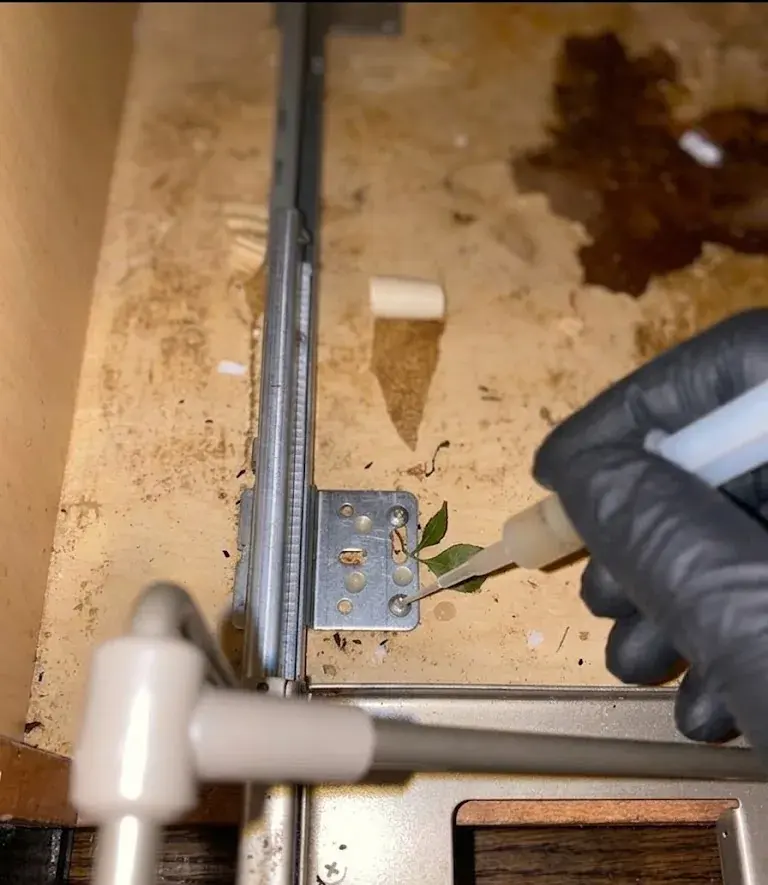
One-time pest treatment for a single problem in Georgetown, honest about what one visit fixes and what needs a follow-up
Learn about One-Time Pest Treatment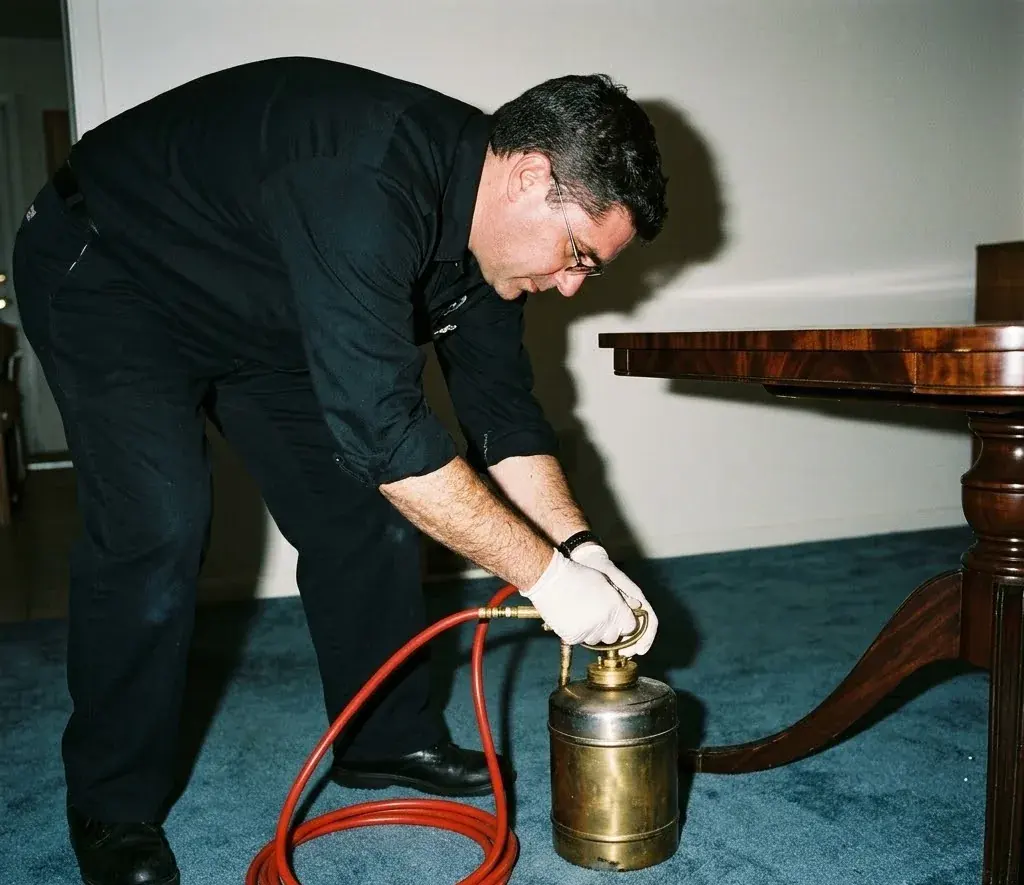
Eco-friendly pest control in Georgetown using bait, gel, and exclusion first, targeted treatment over broadcast spraying, honest…
Learn about Eco-Friendly Pest Control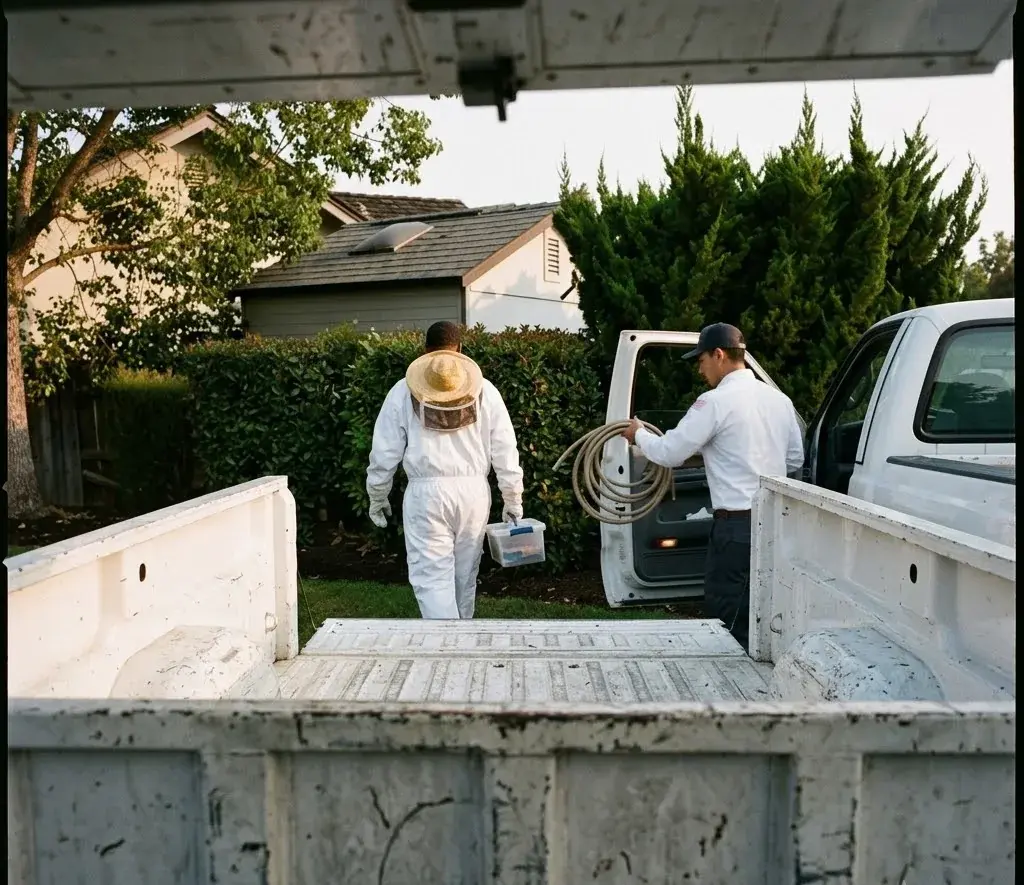
Barrier treatment for the yard, larvicide for the standing water, and a plan built around Georgetown's actual mosquito and tick…
Learn about Mosquito & Tick Control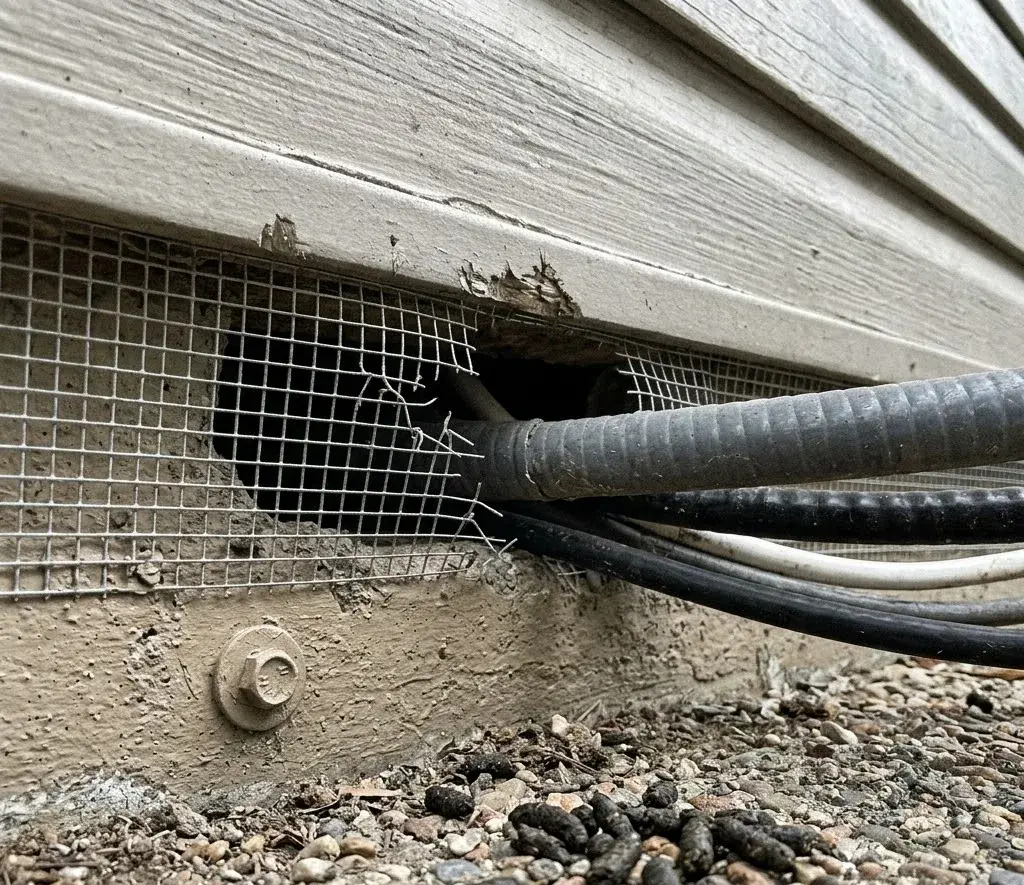
Rodent exclusion in Georgetown: sealing entry points, gaps and vents against roof rats and mice for good
Learn about Rodent Exclusion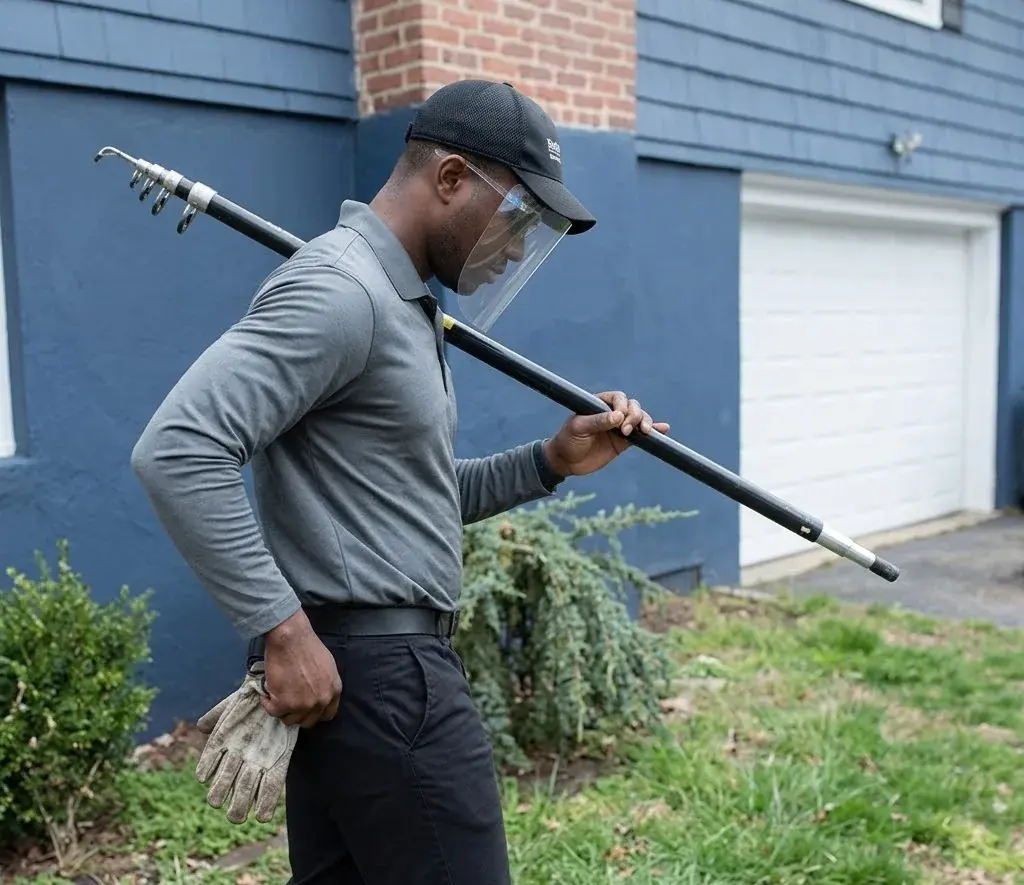
Humane wildlife removal in Georgetown for raccoons, opossums, squirrels, bats and snakes, with exclusion and entry point repair…
Learn about Wildlife Removal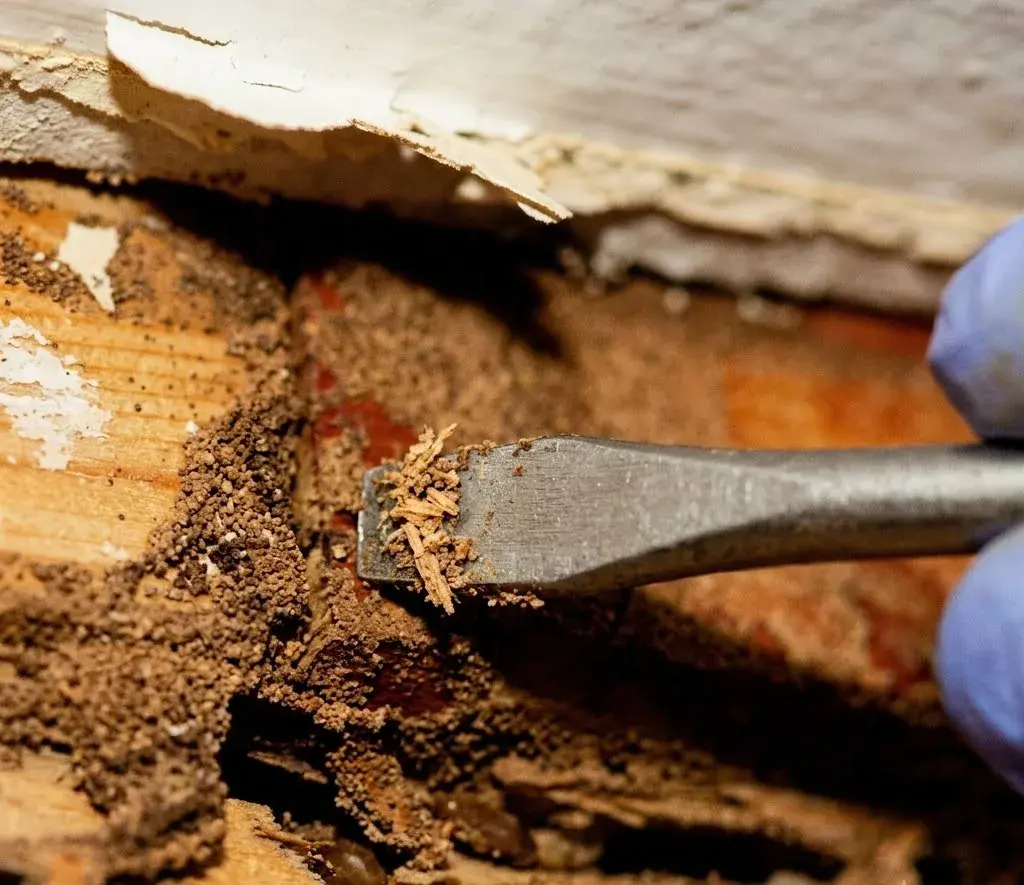
A straightforward look at what a routine termite inspection actually checks on a Georgetown home, and what the evidence means…
Learn about Termite InspectionSeasonal prevention, pest ID, and practical advice for Georgetown homeowners.
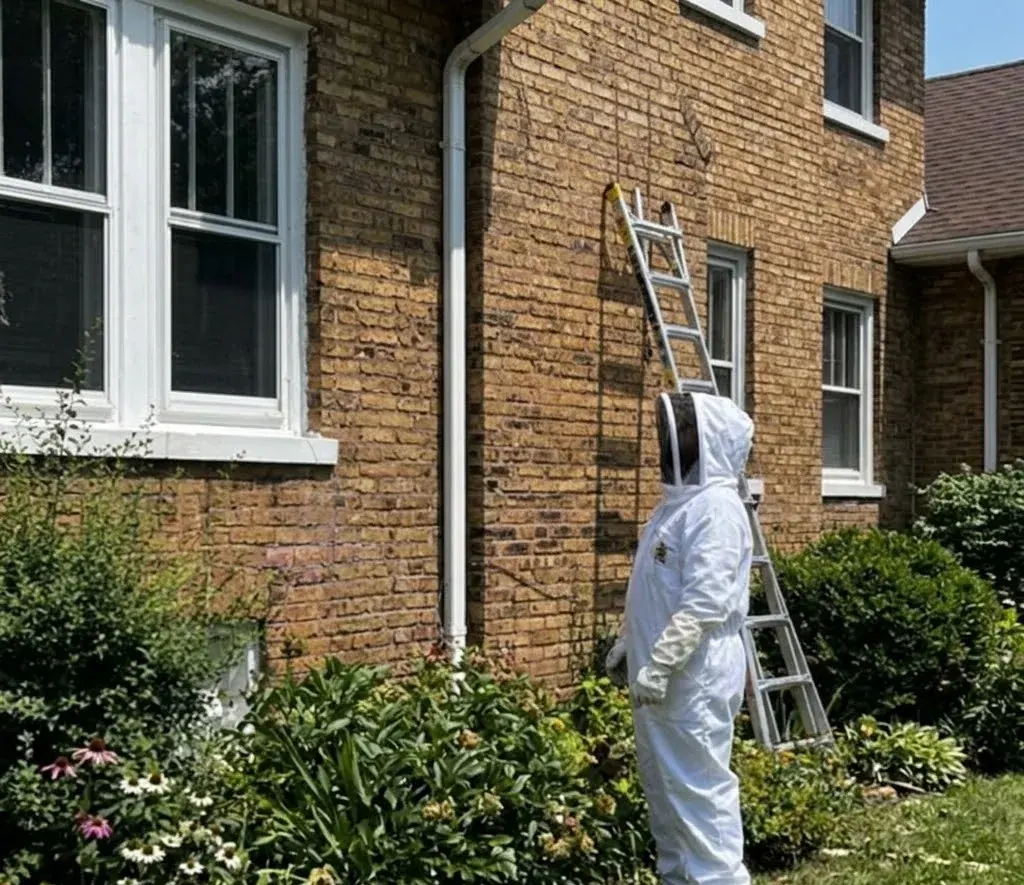
Georgetown has plenty of pest control companies but not all carry a current TPCL number, real insurance, or a written scope. Here is what to check before you sign anything, and the questions that separate a licensed operator from someone working out of a truck.
Read article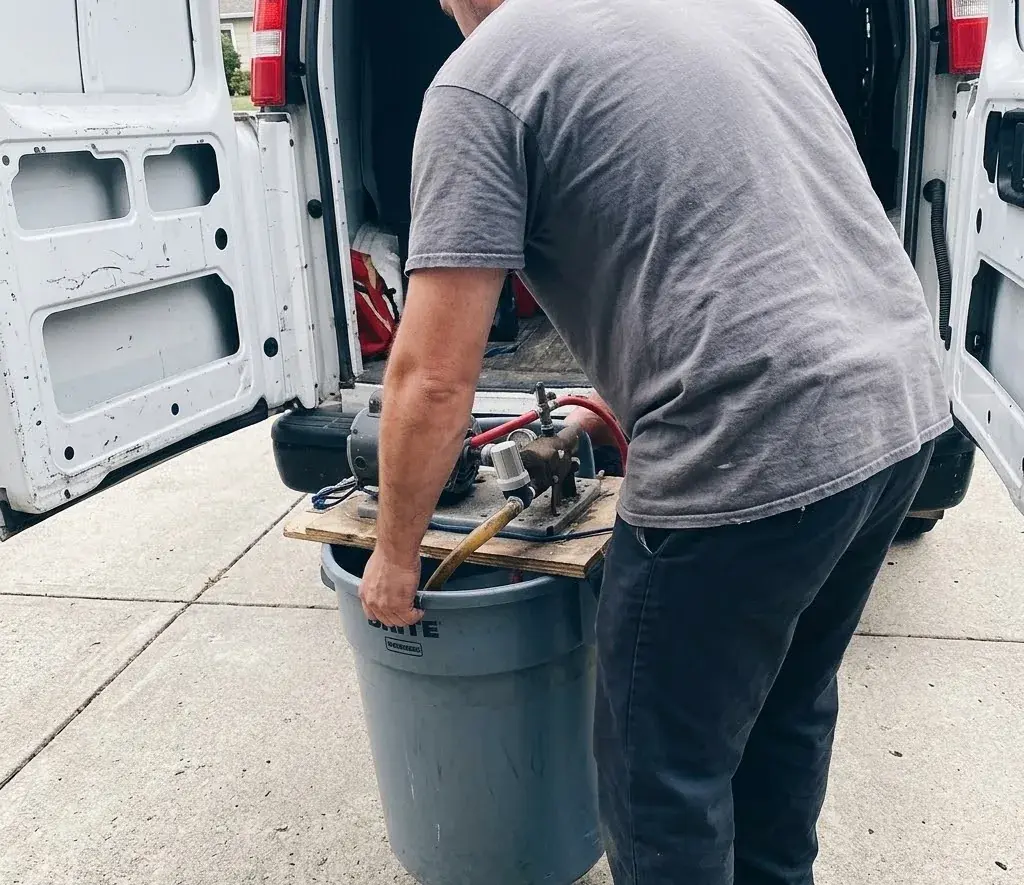
What actually happens when someone inspects a Georgetown house for pests, from the perimeter walk to the attic check to what counts as real evidence.
Read article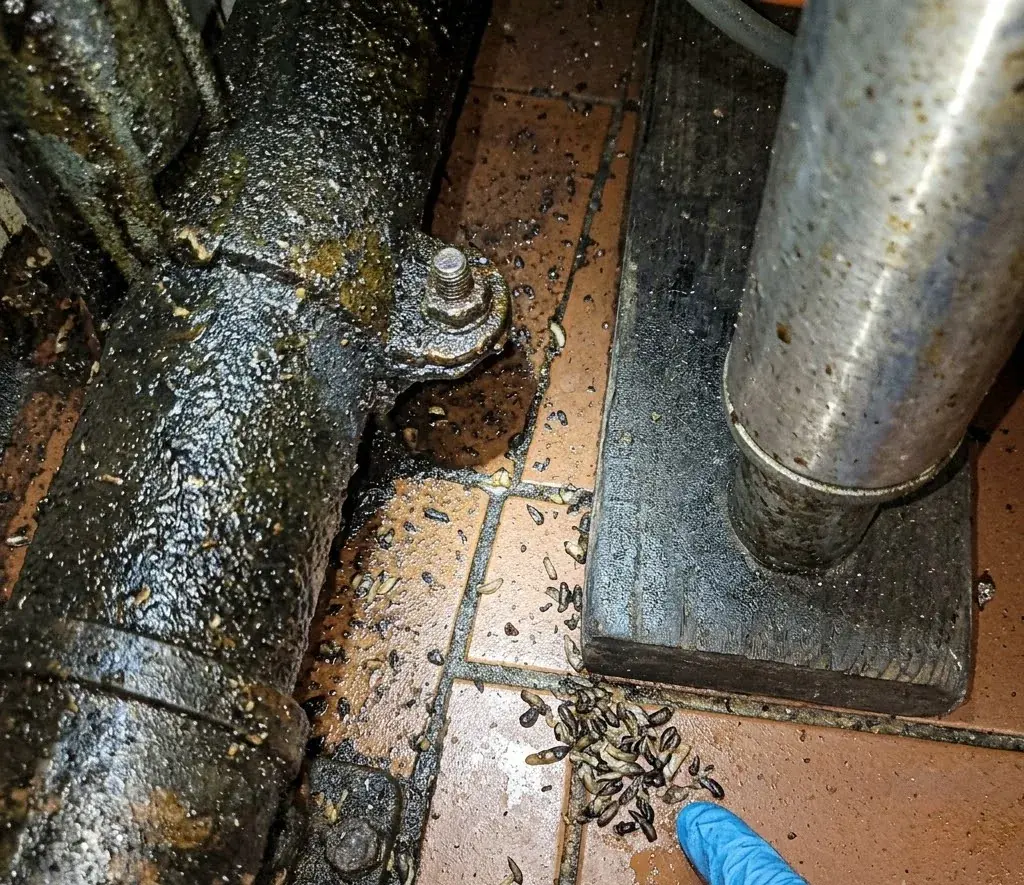
A walk-through of what actually seals a Georgetown house before fall: the survey order, the materials that hold against rodents, common sealing mistakes, and the firewood and gutter work that matters just as much.
Read article
We don't send our own technicians or run trucks out of a yard somewhere off Leander Road — this connects a Georgetown homeowner with the licensed local pros already working this ground, from Old Town out to Wolf Ranch and up toward Teravista. They know which side of I-35 they're driving to before they ask the address, because it changes what they're expecting to find. If something is climbing your bathroom wall or nesting in your soffit, that's the question worth starting with, not the species name.
Georgetown splits along I-35, and that line decides more than most homeowners realize. West toward Sun City and DB Wood Road, thin caliche sits over fractured limestone. East through Berry Creek and Teravista, Blackland clay swells and cracks with every wet-dry swing. Either way, striped bark scorpions and roof rats find the gaps first — the pros we connect you with know which side of town they're working before they knock.
The angle here is the limestone: fractured rock that carries rainwater sideways rather than down, sitting under a slab-built community old enough to have…
Pest control in Sun CityThe angle here is age and soil together: Berry Creek's trees and lots are older and larger than the newer slab subdivisions to the south, which means more…
Pest control in Berry CreekThe angle here is the clay and the golf course together: irrigated turf plus swelling soil keeps ground moisture high right up against slab edges, which…
Pest control in TeravistaThe angle here is the South San Gabriel River edge combined with slab-on-grade construction: moisture from the river side and from community irrigation…
Pest control in Wolf RanchThe angle here is limestone and lot size: karst ground that holds and redirects moisture unevenly along a longer slab perimeter than a standard…
Pest control in Cimarron HillsBigger lots, older trees and slab foundations that have had decades to develop the small cracks and moisture points that fire ants and native subterranean…
Pest control in SerenadaThe angle for Georgetown Village is soil and slab: this is Blackland clay ground, not the rockier Edwards Plateau side of town, and the pest pressure here…
Pest control in Georgetown VillageOld Town is the one part of Georgetown where pier-and-beam construction and real crawl spaces show up regularly instead of the slab-on-grade default, and…
Pest control in Old Town GeorgetownHomes and businesses across Georgetown, TX deal with pest control challenges that shift with the seasons, and older properties in the area tend to feel them first. From General Pest Control, Quarterly Pest Protection, One-Time Pest Treatment, Georgetown Tx Pest Control Experts focuses on the problems Georgetown property owners actually face, not a generic checklist.
Rather than a quick surface fix, we inspect the property, find what's drawing the problem in, and treat the source, so it doesn't simply return next season. That's true whether you need Eco-Friendly Pest Control and Mosquito & Tick Control or a broader plan.
As a locally based team, Georgetown Tx Pest Control Experts serves Georgetown and the surrounding Williamson County communities, from Sun City and Berry Creek to Teravista and Wolf Ranch, with fast response and honest, no-pressure recommendations. We know the area well, from Williams Drive, Inner Space Cavern, DB Wood Road, Cedar Breaks Park, and beyond.
The calls we see most in Georgetown follow the ground and the roofline. West of I-35, thin caliche over fractured limestone near Sun City and Cimarron Hills pushes striped bark scorpions indoors looking for moisture, worst June through August. Roof rats work in overhead from fence lines and oak limbs into attics near Berry Creek and Teravista. Fire ant mounds surface within days of rain across any lawn, and fall brings field crickets piling up under porch lights from Old Town to Wolf Ranch.
The first sign is usually repetition. You kill one roach by the water heater, and there is another the next night, following the same moisture a silverfish would. Ants show up as a thin line along a baseboard or a counter, and wiping it away only sends them around it. If you are seeing the same pest in the same spot in a Katy Crossing or Serenada kitchen more than once a week, you are not looking at a stray — you are looking at a harborage somewhere nearby that keeps resupplying it.
General Pest Control →The spring visit lands when the ground is warming and the subterranean termites are swarming, most often between February and May in Central Texas. This is the quarter where the perimeter matters most, because ants, roaches and the first scorpions are all moving toward the foundation at once. On the limestone west of I-35 — the Cimarron Hills and Water Oak side — the visit reapplies the exterior barrier that winter weather has worn thin and clears the spider webs, wasp starts and nests that built up while the house was quiet through the cold months.
Quarterly Pest Protection →One-time treatment fits a contained problem: a wasp nest under the eaves in Teravista, a single scorpion after a bath, ants working a slab crack near Wolf Ranch Town Center. These are calls Georgetown gets constantly in warm months, and each one is genuinely a one-and-done job — knock down the active insects, close the gap they came through if there is one to close, and move on. Nothing about an isolated wasp nest or one ant trail needs a recurring visit; it needs the actual thing handled once, correctly.
One-Time Pest Treatment →The clearest sign this approach fits a house is what is living around it, not just what is showing up inside. A yard on the west side of Georgetown, backing onto a greenbelt near I-35, or a new build near Teravista or Cimarron Hills still bare of established landscaping, is scorpion ground — loose limestone rock and cedar cover are exactly what the striped bark scorpion favors, and a targeted, low-toxicity plan built around sealing entry points does more there than a single broadcast spray ever will.
Eco-Friendly Pest Control →Mosquito and tick pressure around Georgetown builds through the warm months and shows up as bites near the wood line, in shaded yard corners, and anywhere water sits after a rain. Culex mosquitoes lay in gutters, buckets, plant saucers, and low spots that never fully dry, while ticks wait in tall grass and brush along a fence or tree line for a person or a pet to pass. A yard backing onto a greenbelt or heavy cedar and oak cover, common on the west side of I-35, tends to hold both problems longer into the season than an open, mowed lot with no standing water nearby.
Mosquito & Tick Control →Droppings along a garage wall or in a cabinet under the sink are usually the first sign, followed by a gnaw mark on a corner of stored cardboard or a chewed hole in a bag of pet food. In an attic, the sign is a runway — a flattened, darkened trail through the insulation where the same animal has been going back and forth to the same entry point, usually a gable vent or a gap where the roof deck meets the fascia.
Rodent Exclusion →It depends on where the house sits. On the west side, toward Sun City or Cimarron Hills, the limestone and loose rock bring in striped bark scorpions, worst from June through August. Elsewhere fire ants are the constant complaint, moving indoors through a slab crack when the ground dries out, and roof rats working in from the attic rather than up from underneath, since a crawl space is unusual outside Old Town. The licensed pros we connect you with will ask what you're seeing and where before naming a single service.
West of I-35, Georgetown sits on Edwards limestone with loose rock and thin soil, and the striped bark scorpion lives in that rock. It comes inside looking for moisture, so bathrooms, laundry rooms and kitchens are where people find it, coming under a door or through a weep hole. Neighborhoods backing onto a greenbelt or built on that limestone side, like Sun City or Cimarron Hills, see more of it. April through October is the active stretch, worst in June, July and August. The licensed pros we connect you with can seal entry points and treat around the foundation.
That's the striped bark scorpion, the one that shows up in Georgetown bathrooms and laundry rooms more than anywhere else in the house. It's thin enough to squeeze through gaps most people never check and it heads for moisture, which is exactly what a bathroom offers. Activity runs heaviest from June through August, and homes backing onto a greenbelt or sitting on the limestone west of I-35, around Sun City or Cimarron Hills, tend to see more of them. Sealing entry points and drying up damp spots helps more than treating after the fact.
No. Formosan subterranean termites are confirmed in roughly 30 Texas counties in the eastern half of the state, including Travis County next door, but Williamson County is not one of them. Georgetown's termite pressure comes from native subterranean species, not Formosan colonies. If Formosan activity ever moves this direction, it's worth watching, and it would swarm in summer rather than spring. For now, a homeowner near Sun City or Old Town with termite concerns is dealing with a native species, and the licensed pros we connect you with can confirm which one on an inspection.
Subterranean termites work this area, and slab cracks near Wolf Ranch or Berry Creek give them a way in without ever showing themselves above ground. The aggressive Formosan type has not turned up in Williamson County, so that particular worry belongs to counties south of us, not here. A yearly inspection is still worth booking, since the common native termites are patient and quiet, and a soft spot in a door frame or baseboard is often the first sign anyone notices.
Scorpions get the most panic calls in Georgetown, and the striped bark scorpion is the one showing up in bathrooms and laundry rooms from April through October, worst in June and July. It is thin enough to squeeze through gaps most homeowners never check — a loose weep hole, a warped threshold, a sill that has dried and pulled away from the slab. Homes near a greenbelt, or anywhere close to the limestone on the west side of I-35, tend to see more of them, since loose rock and cedar cover suit them. The licensed pros we connect you with check those entry points along with the exterior before treating.
Yes, though not everyone connects it to pests right away. Scorpions come under doors and through weep holes into bathrooms and laundry rooms from April through October, worst in June, July and August, and fire ant mounds can pop up in a lawn within a day or two after rain anywhere from Berry Creek to Teravista. Roof rats are the other one — they get in near the roofline, not the foundation, so an attic or soffit gap matters more than a slab crack. Fall brings the cricket swarms around lit porches and storefronts near Wolf Ranch Town Center. None of it is unusual for Georgetown.
Probably not. Most Georgetown homes built since the 1970s, including places like Sun City, Teravista and Berry Creek, sit on a solid slab, so there's no crawl space or vent to seal. Crawl spaces and pier-and-beam construction mostly show up in Old Town and older stock out toward the Square. If pests are getting in, look at slab cracks and weep holes instead, especially after rain when fire ants and scorpions push toward any gap they can find.
Not yet. Formosan subterranean termites are confirmed in the eastern half of Texas, including Travis County just south of us, but Williamson County isn't on that list. It's worth knowing they exist one county over and that they swarm in summer rather than spring, so it's not something to ignore forever. But writing your Georgetown home up for Formosan damage right now would be borrowing a problem from Round Rock or Austin. The termites actually worth watching for here are the native subterranean kind, which the licensed pros we connect you with can check for around your slab.
Fire ants are the complaint we hear most between Sun City and Cimarron Hills. A lawn can look clean one week and carry a dozen mounds the next, since the colonies build fast after rain moves through the caliche and limestone west of I-35. In a stretch without rain, some of those same colonies push indoors through a crack in the slab, so a dry summer is not a break from the problem, just a change in where it shows up.
Waiting usually means a smaller job turns into a bigger one, especially with roof rats working their way in through a gap at the fascia. Reach out and get matched with a licensed local pro who can look at the actual problem instead of guessing over the phone.
Call (866) 829-2897